

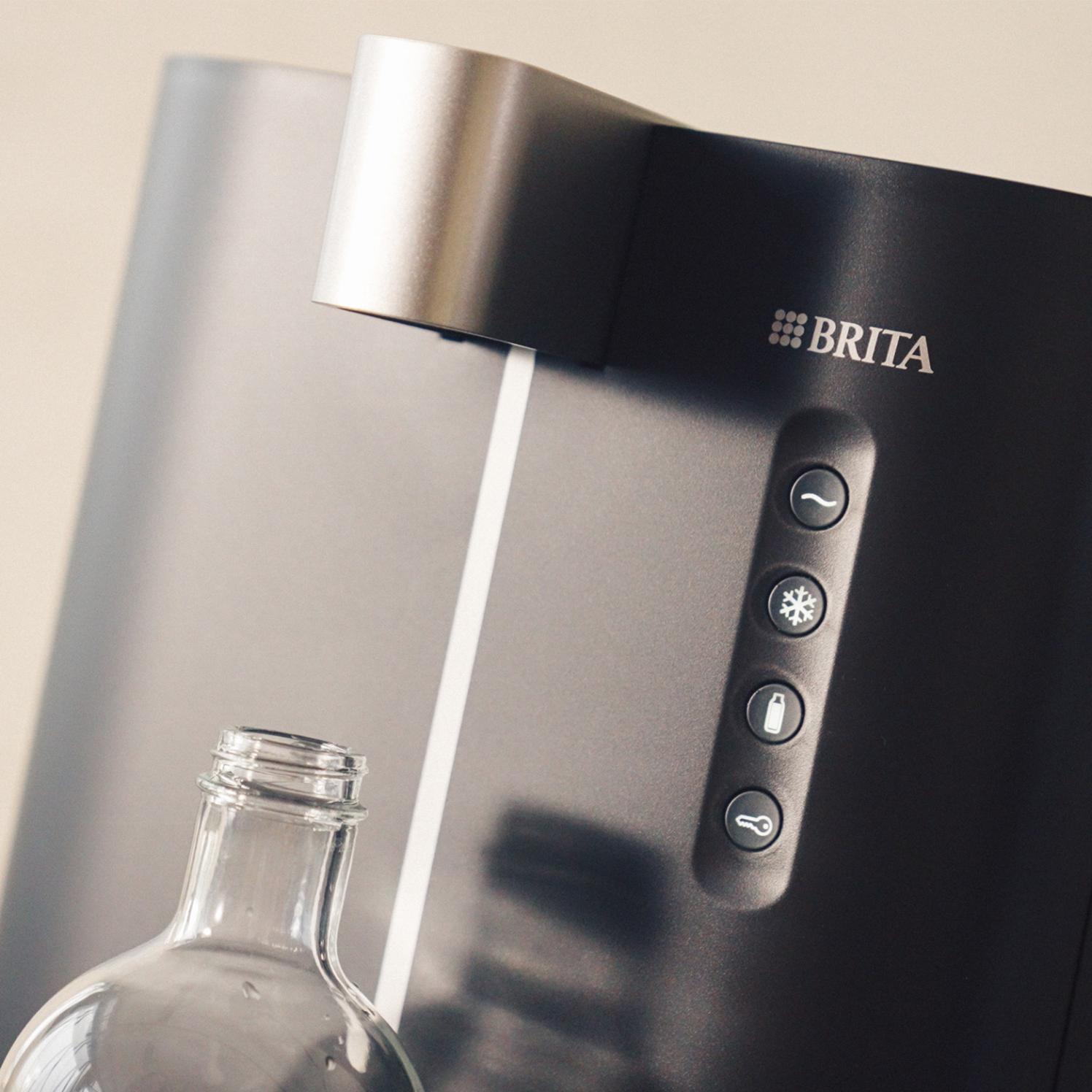

Water dispenser maintenance tips UAE offices depend on matter more here than in cooler markets, because Dubai and the wider Emirates combine extreme heat with a largely desalinated supply that puts dispensers under strain. At Sovereign Water, we supply, install and maintain water dispensers across the UAE, so we see first-hand how the right routine keeps machines hygienic and reliable in demanding conditions. This guide shares the practical habits our engineers recommend, plus the warning signs that mean it is time to call a professional.
Whether you run a mains-fed dispenser or a bottle-fed cooler, the principles are the same: keep the surfaces and waterways clean, change filters on schedule, and watch for the early signals of scale or contamination. In the UAE, high ambient temperatures accelerate microbial growth and variable water quality increases the maintenance burden, so a sound routine matters. If you would rather hand the whole job to specialists, our Smart Maintenance programme covers it end to end.

TL;DR
- Wipe taps, drip trays and surfaces daily; sanitise the dispensing area weekly to prevent bacterial buildup.
- Change filters on the manufacturer’s schedule, typically every six months, to protect water quality and taste.
- Have the machine professionally sanitised every six to twelve months, more often in the UAE’s heat.
- Call a professional for persistent odours, leaks, no cooling, or any sign of mould inside the waterways.
- Sovereign Water offers a free site assessment across Dubai and the Emirates to recommend the right service interval.
In This Article
- Why Water Dispenser Maintenance Matters in the UAE
- Daily and Weekly Water Dispenser Maintenance Tips
- Changing Filters on Schedule
- Deep Sanitisation and Descaling
- Bottle-Fed Versus Mains-Fed Dispensers
- When to Call a Professional
- How Sovereign Water Keeps Dispensers Reliable in the UAE
- Frequently Asked Questions
Why Water Dispenser Maintenance Matters in the UAE
Water dispenser maintenance tips UAE operators follow matter because a dispenser is a food-contact appliance, and the Emirates’ climate makes neglect costlier here than elsewhere. A clean, well-serviced dispenser delivers consistent water quality; a neglected one in Dubai’s heat can become a source of contamination far more quickly.
Standing water, high ambient temperatures and frequent hand contact at the tap create ideal conditions for microbial growth, and the UAE’s heat accelerates that process. Most of the country’s supply is desalinated and can carry variable mineral and Total Dissolved Solids (TDS) levels, so scale management and filtration are central to keeping machines working. Good maintenance addresses both the hygiene and the scale risk at once, protecting the components you have paid for.
The UAE relies on desalination for the large majority of its drinking water, according to the Federal Electricity and Water Authority (FEWA), which is why filtration and scale control are central to dispenser care across the Emirates.
Daily and Weekly Water Dispenser Maintenance Tips
The most effective water dispenser maintenance tips start with a reliable cleaning routine: wipe down the high-contact surfaces every day and carry out a more thorough sanitising clean of the dispensing area each week. In the UAE’s heat, this rhythm matters even more, as warmth speeds up the buildup that leads to odours, slime and contamination.
Each day, use a clean cloth and food-safe sanitiser to wipe the taps, buttons or levers, and the surrounding panel. Empty and rinse the drip tray, which collects standing water and is a common spot for bacterial growth and limescale rings. Once a week, remove the drip tray and grille completely, wash them in warm soapy water, rinse and dry before refitting. Wipe the tap nozzles carefully, as this is the last point of contact before water reaches the cup. Keep the area around the dispenser clean and dry, and ensure nothing on top of the machine blocks ventilation, which is important in warm offices.
For shared workplace dispensers, assign responsibility rather than assume someone will do it. A short checklist near the machine keeps the routine visible. These habits cost minutes a week and prevent the majority of avoidable hygiene issues.
Changing Filters on Schedule
Filters should be changed on the manufacturer’s recommended schedule, which for most mains-fed dispensers means roughly every six months or sooner in the high-TDS or high-usage settings common across the UAE. A spent filter stops protecting water quality and can itself become a source of taste and odour problems.
Most modern mains-fed dispensers use a carbon or carbon-block filter to reduce chlorine taste, sediment and odours, giving water a clean, fresh flavour. Some include scale-reduction media to protect against limescale. As water passes through, the filter gradually exhausts its capacity, so a filter left in beyond its rated volume offers little benefit. Changing on schedule keeps TDS and chlorine taste in check and protects the machine’s internal components.
In the UAE’s challenging water conditions, a standard filter may not be enough on its own. Sovereign Water designs bespoke pre-treatment for high-hardness and high-TDS locations, fitting upstream protection so your dispenser receives water it can cope with. This tailored approach extends machine life and keeps taste consistent where off-the-shelf filtration struggles. If you are unsure what your dispenser needs, our team can advise as part of a free site assessment.
Deep Sanitisation and Descaling
A professional deep sanitisation every six to twelve months reaches the internal waterways, reservoirs and cooling circuits that day-to-day wiping cannot. In the UAE’s climate, the shorter end of that range is often appropriate. This is the single most important service task for hygiene, and it is best carried out by a trained technician using approved sanitising agents.
During a sanitisation visit, an engineer flushes and disinfects the internal pipework, cleans or replaces components that contact water, and verifies that the machine is dispensing safely. Descaling is carried out at the same time to remove mineral buildup from heating and cooling elements, which restores efficiency and prevents premature failure. The recommended interval depends on usage, water quality and ambient temperature: a busy dispenser in a hot, high-TDS location may need attention every six months.
Sovereign Water’s service engineers recommend more frequent sanitisation intervals in the Gulf than in temperate climates, because higher ambient temperatures speed up microbial growth inside dispensers.
Attempting a full internal sanitisation yourself is rarely advisable. Without the right products and access, you risk damaging components or leaving residue in the waterways. This is where a service contract pays for itself.
Bottle-Fed Versus Mains-Fed Dispensers
The maintenance basics apply to both bottle-fed and mains-fed dispensers, but each type has its own particular needs. Bottle-fed coolers, common across the UAE, demand careful bottle handling and more frequent sanitisation, while mains-fed dispensers rely on filter changes and a sound plumbing connection.
With bottle-fed coolers, always handle replacement bottles with clean hands, wipe the bottle neck before loading, and avoid leaving a bottle on the machine for long at low usage, as standing water in the heat encourages growth. The bottle seat and probe should be cleaned regularly. Mains-fed dispensers remove the logistics of bottles entirely, drawing filtered water directly from the supply, but they depend on timely filter changes and an intact, leak-free connection. Whichever you run, the water dispenser maintenance tips in this guide still apply.
When to Call a Professional
Call a professional whenever routine cleaning no longer fixes a problem, or when you notice anything that points to a fault inside the machine. Persistent odours, visible mould, leaks, or a loss of cooling are all signs that the dispenser needs expert attention rather than another wipe-down.
Specific warning signs to act on include: a musty or stale smell that returns soon after cleaning, which often indicates biofilm in the waterways; water that tastes off despite a recent filter change; slow flow or sputtering, which can point to scale or a blocked filter; visible leaks or pooling water around the base; and a dispenser that no longer chills properly, which is keenly felt in the UAE’s heat. Any sign of mould or slime inside the dispensing area or reservoir should be treated as urgent.
These are not jobs to improvise. A qualified engineer can diagnose the cause, sanitise or replace the affected parts, and confirm the machine is safe to use again. Our water dispenser specialists respond quickly across Dubai and the Emirates to keep downtime to a minimum.
How Sovereign Water Keeps Dispensers Reliable in the UAE
Sovereign Water keeps dispensers reliable across the UAE by combining proactive servicing, scheduled filter changes and professional sanitisation under one Smart Maintenance programme, so you never have to track intervals yourself. As an authorised supplier with supply and maintenance across Dubai and the Emirates, we tailor the service plan to your machine, your usage and your local water conditions.
We look at the whole picture: the dispenser itself, the quality of the incoming water, and the demands of your environment. In the Emirates’ high-hardness and high-TDS locations we add bespoke pre-treatment upstream of the dispenser, protecting it from the scale that shortens machine life and spoils taste. Our engineers handle the sanitisation, descaling and filter changes on a planned schedule, and we are on hand quickly when something needs attention. The result is consistent water quality, longer equipment life, and one less thing for your facilities team to manage. If you would rather leave the water dispenser maintenance tips above to the experts, we will find the right service interval for your setup, starting with a free assessment across the UAE.
Frequently Asked Questions
How often should an office water dispenser be cleaned in the UAE?
Wipe the taps, buttons and drip tray daily, and carry out a thorough sanitising clean of the dispensing area weekly. Because the UAE’s heat speeds up microbial growth, arrange a professional deep sanitisation every six months for busy machines to keep the internal waterways hygienic.
How often should I change the filter in a mains-fed dispenser?
Most mains-fed dispensers need a filter change roughly every six months, or sooner in the high-TDS and high-usage settings common across the UAE. Always follow the manufacturer’s rated capacity. A spent filter stops protecting water quality and can cause taste and odour problems if left in too long.
Can I sanitise a water dispenser myself?
You can and should clean the external surfaces, taps and drip tray. Full internal sanitisation, however, is best left to a trained technician with approved products, as the reservoirs and waterways are hard to reach safely and improper cleaning can damage components or leave residue.
Why does my dispenser water taste or smell odd?
An off taste or smell usually points to an exhausted filter, scale buildup, or biofilm in the waterways. Start by changing the filter and cleaning the dispensing area. If the problem returns quickly, contact a professional, as it likely indicates contamination inside the machine.
Does the UAE’s water affect dispensers?
Yes. Most of the Emirates’ desalinated supply carries variable hardness and TDS, which causes scale to build on heating and cooling components and shortens machine life. More frequent descaling and, where needed, upstream pre-treatment keep dispensers reliable and the water tasting fresh.
Ready to take dispenser maintenance off your plate in the UAE?
Sovereign Water supplies, installs and maintains office water dispensers across Dubai and the Emirates, with Smart Maintenance plans and bespoke pre-treatment tailored to the UAE’s water conditions. Protect your machine, your water quality and your team’s confidence in every pour.

