

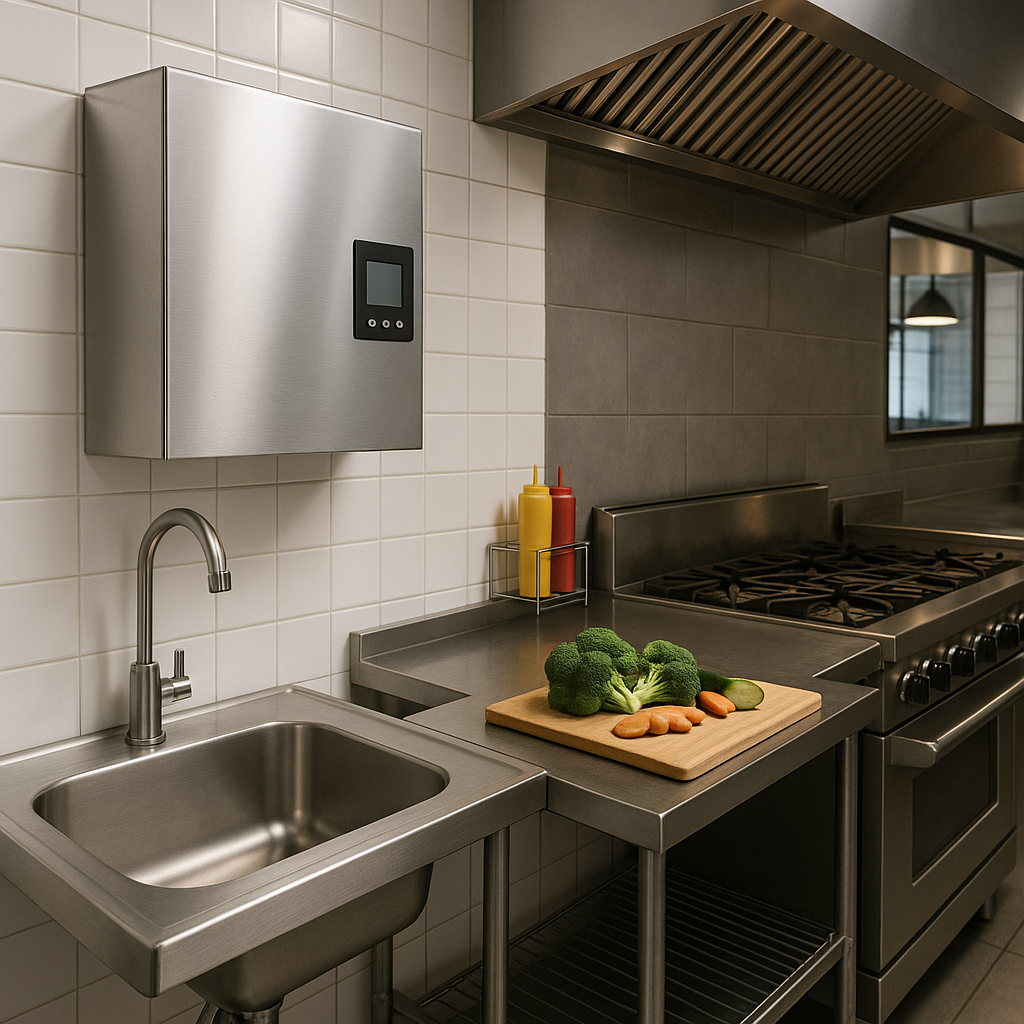

Restaurant Water Filtration Compliance 2025: A Comprehensive Guide for the Hospitality Industry
The UAE hospitality industry faces significant regulatory changes regarding water filtration and safety standards coming into effect in 2025. These new compliance requirements will impact everything from operational workflows to customer safety assurances across restaurants, hotels, and food service establishments throughout Dubai, Abu Dhabi, and the wider Emirates.
Forward-thinking hospitality businesses are already preparing for these changes, recognizing that proactive adoption not only ensures regulatory compliance but can also deliver meaningful operational efficiencies, sustainability benefits, and enhanced customer experiences in the UAE’s premium hospitality market. This guide unpacks what UAE hospitality operators need to know about the approaching water filtration compliance landscape.
Table of Contents
- Understanding the 2025 UAE Water Filtration Compliance Framework
- Key Technical Requirements and Equipment Standards
- Implementation Timeline and Strategic Planning
- Sustainability Benefits and ESG Alignment
- Practical Steps for UAE Hospitality Businesses
Understanding the 2025 UAE Water Filtration Compliance Framework
The 2025 water filtration compliance regulations represent the most significant update to UAE commercial water safety standards in over a decade. These changes stem from the Emirates Authority for Standardization and Metrology (ESMA) and Abu Dhabi Quality and Conformity Council (QCC)’s comprehensive review of water quality management in commercial settings, with specific provisions targeting the hospitality industry.
The regulatory foundation:
The new framework builds upon the UAE.S 2020:2018 Drinking Water Standards but introduces more rigorous requirements specifically for food service establishments. The regulations establish:
* Mandatory filtration requirements for all water used in food and beverage preparation
* Regular water quality testing and documentation protocols
* Specific microbiological and chemical parameters that must be maintained
* Verification and certification requirements for all water treatment equipment
Scope of application:
These regulations will apply to all hospitality businesses operating in the UAE, including:
* Restaurants and fine dining establishments
* Hotels and luxury resorts
* Cafes and specialty coffee shops
* Shisha lounges and entertainment venues
* Contract catering operations
* Food production facilities
Compliance oversight:
The joint implementation will be overseen by the Abu Dhabi Agriculture and Food Safety Authority (ADAFSA) and Dubai Municipality’s Food Safety Department, with municipal authorities handling direct enforcement through their environmental health departments. Businesses should anticipate that compliance verification will be integrated into routine food safety inspections beginning January 2025.
Penalty structure:
Non-compliance penalties will operate on a tiered structure, with fines starting at 5,000 AED for minor infractions and potentially reaching 50,000 AED for serious or repeated violations. Beyond financial penalties, non-compliant establishments may face operational restrictions or temporary closure orders until remediation is completed—particularly impactful in the UAE’s competitive hospitality market.
Understanding these fundamental aspects of the regulatory framework provides the foundation for hospitality businesses to develop appropriate compliance strategies and technology adoption plans ahead of the implementation deadline, while avoiding potentially significant disruption to operations in the UAE’s premium hospitality environment.
Key Technical Requirements and Equipment Standards
The 2025 regulations introduce specific technical standards that will fundamentally reshape water filtration implementation across the UAE hospitality sector. Understanding these requirements is essential for effective compliance planning, especially given the unique water quality challenges in the Gulf region.
Filtration technology specifications:
The new standards mandate multi-stage filtration systems that address:
* Particulate removal (minimum 1-micron filtration capability)
* Chemical contamination reduction (including chlorine, pesticides, and heavy metals)
* Microbiological control measures
* Scale prevention for equipment protection—particularly critical given the UAE’s high TDS (Total Dissolved Solids) levels
Notably, basic carbon filtration—common in many current installations—will no longer satisfy compliance requirements for food preparation areas in UAE establishments.
Water quality parameters:
All filtration systems must consistently deliver water that meets or exceeds these UAE-specific quality benchmarks:
* Turbidity below 0.5 NTU (stricter than international standards due to desalination source water)
* Free chlorine between 0.2-0.5 mg/L
* Total dissolved solids (TDS) below 600 mg/L (adjusted for regional water characteristics)
* Zero detectable E. coli or coliform bacteria
* Boron content below 0.5 mg/L (specific to desalinated water concerns)
Equipment certification requirements:
All filtration equipment installed after January 2025 must carry:
* Emirates Conformity Assessment System (ECAS) certification
* Emirates Quality Mark (EQM) for locally manufactured systems
* Compliance declaration for food contact materials
* Documented flow rate capacity appropriate to venue size with consideration for peak periods during high tourism seasons
Monitoring and maintenance protocols:
The regulations establish mandatory:
* Bi-monthly water quality testing with record-keeping requirements (more frequent than European standards due to UAE climate conditions)
* Filter replacement documentation and scheduled maintenance logs
* Quarterly system certification by qualified technicians
* Performance verification after any significant plumbing modifications
Special considerations for UAE-specific applications:
Additional requirements apply to establishments with:
* Arabic coffee preparation areas
* Ice production facilities (especially critical in the UAE climate)
* Steam cooking apparatus
* High-volume beverage dispensing systems for large events and conferences
These applications will require tailored filtration solutions addressing their specific water quality demands, with documentation demonstrating suitability for purpose in the UAE’s unique environmental conditions.
Understanding these technical specifications will help hospitality businesses select compliant technology solutions and develop appropriate implementation strategies ahead of the 2025 deadline, ensuring both regulatory compliance and optimal equipment performance in the challenging UAE water environment.
Implementation Timeline and Strategic Planning
While full compliance isn’t mandatory until January 2025, the complexity of these regulations necessitates a phased implementation approach for most UAE hospitality businesses. This timeline outlines critical milestones and planning considerations for the regional market.
Q3-Q4 2023: Assessment and planning phase
* Conduct comprehensive water quality testing to establish baseline conditions—especially important given regional variations between emirates
* Audit existing filtration systems against 2025 requirements
* Identify compliance gaps and technical needs
* Develop budgetary projections for necessary upgrades, accounting for import costs unique to the UAE market
Q1-Q2 2024: Procurement and partner selection
* Evaluate filtration technology providers with UAE-specific certification experience
* Consider maintenance contract options and ongoing support capabilities—critical in a market with fewer specialized technicians
* Integrate compliance investments into 2024 capital expenditure planning
* Secure necessary stakeholder approvals for implementation budgets
Q3-Q4 2024: Installation and system transition
* Schedule system installations to minimize operational disruption during peak tourism seasons
* Implement staff training on new maintenance protocols, accounting for multilingual workforce common in UAE hospitality
* Establish documentation systems for ongoing compliance that satisfy both federal and emirate-specific requirements
* Conduct preliminary compliance testing to identify any adjustments needed
January 2025: Compliance deadline
* Complete all system upgrades and certification processes
* Ensure all documentation and testing protocols are in place
* Prepare for potential regulatory inspections
Strategic planning considerations specific to UAE operations:
Hospitality businesses should approach implementation with these UAE-specific strategic factors in mind:
* Seasonal planning: Schedule major installations during lower occupancy periods (typically summer months) to minimize revenue impact.
* Technical resource availability: Secure qualified installation partners well in advance, as specialized technical resources may be limited during peak implementation periods.
* Import logistics: Factor in potential customs clearance timelines for specialized filtration equipment not manufactured locally.
* Workforce considerations: Ensure training materials are available in multiple languages to accommodate the diverse hospitality workforce common in UAE establishments.
* Budgetary staging: Consider phased investment approaches that prioritize critical compliance elements while spreading capital expenditure across multiple financial quarters—potentially aligning with the UAE fiscal year for budgeting purposes.
This structured timeline approach allows UAE hospitality businesses to navigate the transition methodically while minimizing both costs and operational disruption in a market where guest experience expectations are exceptionally high.
Sustainability Benefits and ESG Alignment
While compliance necessity drives the adoption timeline, forward-thinking UAE hospitality businesses are recognizing that the 2025 regulations also create opportunities to advance sustainability objectives and enhance ESG credentials—particularly important as the UAE positions itself as a sustainability leader through initiatives like UAE Vision 2031 and Net Zero 2050.
Plastic reduction impacts:
Implementing comprehensive water filtration systems enables significant reduction in single-use plastic consumption:
* Eliminating bottled water service in dining areas can reduce plastic waste by 85-90% for typical UAE restaurants
* Staff hydration through filtered tap water removes the need for packaged alternatives—particularly important given high hydration needs in the Gulf climate
* Food preparation using filtered mains water reduces reliance on packaged ingredients
These reductions directly support the Dubai Single-Use Plastics Strategy and Abu Dhabi’s plastic bag ban, providing quantifiable metrics for sustainability reporting.
Carbon footprint advantages:
The transition to on-site filtered water delivers measurable carbon reductions:
* Elimination of bottled water transportation (typically reducing emissions by 95-98% compared to imported bottled water)
* Reduced delivery frequency and associated vehicle emissions in congested urban areas like Dubai and Abu Dhabi
* Lower energy consumption from efficient filtration compared to refrigeration of bottled inventory in the Gulf’s extreme climate conditions
ESG alignment with UAE strategic initiatives:
These sustainability impacts directly support:
* UAE Net Zero 2050 Strategic Initiative goals
* Dubai Clean Energy Strategy 2050
* Abu Dhabi Environment Vision 2030
* UAE Green Agenda 2030
Competitive positioning in the premium hospitality market:
Beyond operational advantages, these sustainability credentials offer:
* Differentiation in the competitive UAE hospitality market where sustainability increasingly influences booking decisions
* Alignment with international corporate travel policies that prioritize sustainable venues
* Enhanced appeal for the growing eco-conscious luxury traveler segment
* Marketing advantages for UAE Green Key and other certification programs
Water conservation narrative:
In a region where water scarcity awareness is growing, these systems contribute to:
* Reduced dependency on desalination—an energy-intensive process
* Demonstrable commitment to responsible water management
* Education opportunities for guests about local water conservation efforts
By recognizing these sustainability dimensions, UAE hospitality businesses can leverage compliance investments to simultaneously advance environmental goals, enhance brand positioning, and develop more robust ESG reporting capabilities that align with the nation’s ambitious sustainability vision.
Practical Steps for UAE Hospitality Businesses
Translating regulatory requirements into actionable implementation requires a structured approach tailored to the UAE operating environment. This section outlines practical steps hospitality businesses should take to ensure successful compliance while maximizing operational benefits.
1. Conduct a comprehensive water system audit with UAE-specific focus
* Map all water access points and usage areas throughout your establishment
* Identify critical applications with specific water quality requirements
* Document current filtration systems and their specifications
* Test water quality at multiple points to identify variation across the venue, particularly in older buildings in areas like Deira or Bur Dubai
2. Develop a compliance specification document tailored for local conditions
* Outline the specific filtration requirements for each application area, accounting for seasonal temperature variations
* Establish performance criteria beyond minimum compliance standards
* Identify integration requirements with existing plumbing infrastructure
* Define maintenance accessibility needs in space-constrained UAE kitchens
3. Evaluate technology options with consideration for UAE operating conditions
* Consider initial equipment costs alongside ongoing operational expenses
* Calculate filter replacement frequency based on local water mineral content and usage volume
* Assess performance in high-ambient temperature environments common throughout the summer months
* Evaluate manufacturer support and warranty provisions available within the UAE
4. Implement staff training adapted for multilingual workforces
* Develop standard operating procedures in multiple languages common in UAE hospitality (English, Arabic, Hindi, Filipino, etc.)
* Establish clear responsibilities for maintenance and testing schedules
* Create troubleshooting guidelines for common issues
* Integrate compliance checks into existing quality assurance processes
5. Establish documentation systems that satisfy multiple authorities
* Create digital or physical logs for all maintenance activities
* Implement regular testing schedules with result documentation
* Maintain equipment certification and compliance declarations
* Develop a centralized compliance file accessible during inspections from various regulatory bodies
6. Engage with suppliers with proven UAE market experience
* Prioritize providers offering comprehensive compliance support and local presence
* Evaluate maintenance contract options for long-term operations
* Consider rental or service-based models that include compliance management
* Assess supplier experience with hospitality-specific implementations in the Gulf region
7. Build contingency plans for UAE-specific challenges
* Develop protocols for maintaining water quality during summer power fluctuations
* Establish backup supplier relationships for critical components and consumables
* Create procedures for managing compliance during water supply interruptions
* Plan for accelerated maintenance schedules during dust storm seasons when filtration systems face higher particle loads
By following these practical steps, UAE hospitality businesses can develop a structured compliance approach that not only satisfies regulatory requirements but also enhances operational efficiency and guest experience in the uniquely demanding Gulf environment.
Conclusion
The 2025 water filtration compliance requirements represent both a regulatory challenge and a strategic opportunity for UAE hospitality businesses. While the technical standards and documentation requirements are undeniably rigorous, forward-thinking operators will recognize that these changes align with broader regional trends toward sustainability, operational excellence, and enhanced guest experiences.
By approaching compliance proactively—beginning assessment and planning now rather than waiting until the deadline approaches—UAE hospitality businesses can minimize disruption, optimize investments, and potentially gain competitive advantage through early adoption in a market where premium experiences are the expectation rather than the exception.
The most successful implementations will view these regulations not merely as a compliance exercise but as a catalyst for operational improvement, with benefits extending to equipment longevity, staff wellbeing, guest satisfaction, and environmental impact reduction—all critical success factors in the UAE’s demanding hospitality landscape.
As the Emirates continues its trajectory as a global tourism and business hub, water filtration compliance represents an opportunity to simultaneously address regulatory requirements and advance broader business objectives around sustainability, efficiency, and service excellence that define the region’s world-class hospitality offerings.
To explore how Sovereign Water can enhance your UAE facility’s sustainability credentials and operational efficiency, please contact our regional team at sales@sovereignwater.ae

