
Commercial water softeners in the UAE should be specified from water at the equipment inlet, demand and building constraints, not an emirate name or pipe size. This guide helps hotel, restaurant, laundry, office, healthcare-estate and facilities teams in Dubai, Abu Dhabi and Sharjah prepare a site-specific brief.
TL;DR
- Test at the inlet after normal ground or roof tanks, pumps and internal distribution.
- Size from hardness, volume, flow, dynamic pressure, usable capacity and regeneration timing.
- Treat appliance protection and drinking-water compliance separately because sodium-cycle softening adds sodium.
- Select alternating twin or duplex duty only when the operation genuinely needs softened water during regeneration.
- Confirm product, installation, drainage and building approvals for the actual emirate and site. No single universal UAE commercial-softener rule was found in the official sources reviewed.
Contents
- What softening changes, and what it does not
- UAE applications and water routes
- The specification inputs that matter
- Worked hardness-load and sizing logic
- Single vessel or alternating twin duty
- Installation and approval context
- Drinking water, sodium and branch design
- Product examples
- Commissioning and handover
- Maintenance and operation
- Procurement checklist
- Application-led comparison
- Frequently asked questions
- Sources
What softening changes, and what it does not
Hardness is mainly dissolved calcium and magnesium. A sodium-cycle ion-exchange softener exchanges those ions for sodium. Regeneration restores the resin with brine and sends backwash and rinse water to an approved drain. Reduced hardness can protect calorifiers, boilers, steam ovens, coffee equipment, ice machines, glasswashers and dishwashers where their manufacturers set hardness limits.
Softening is not general purification or disinfection. It does not establish microbiological safety or automatically correct sediment, taste, odour, corrosion or tank hygiene. Total dissolved solids, or TDS, is not hardness, so a TDS reading cannot replace a hardness result.
Define the asset and required residual hardness. A dedicated hot-water, laundry or catering branch may suit better than whole-building treatment. See the commercial solutions overview for other treatment routes.
UAE applications and water routes
The building route matters as much as the original source. Water may pass through a meter, ground or roof tank, booster pumps, pressure zones and shared pipework. Tank condition, stagnation, cleaning and occupancy can affect a sample. Take the primary design sample at the proposed equipment inlet under representative conditions.
In Dubai, identify whether the branch is direct-fed or supplied through a ground, break or roof tank, and how booster pumps affect dynamic pressure. Dubai Municipality separately advises periodic tank and plumbing cleaning. A softener is not a substitute for tank hygiene.
In Abu Dhabi, the Department of Energy says almost all distribution-company water is desalinated, while directing responsible persons to consider local TDS, pH, chlorine and hardness data. Sampling after normal storage and pumping remains essential.
In Sharjah, SEWA states that drinking water comes from underground and desalination sources. Do not transfer a hardness assumption from another emirate or building. Confirm the site's route and current inlet chemistry.
Applications include hotel hot-water plant, restaurant warewashing, beverage equipment, laundries, office calorifiers and defined healthcare-estate services. Review appliance limits and operating hours. Visible scale justifies investigation but does not provide selection data.
The specification inputs that matter
Representative water analysis. Sample at the proposed inlet after normal tanks, pumps and distribution. Where practical, compare a building-entry or tank-inlet sample. Record date, location, tank and pump zone, recent cleaning or shutdowns, and occupancy. Critical or high-throughput sites may need repeat sampling.
Include total hardness as CaCO3 and sodium where treated water may be consumed. TDS or conductivity, pH, chloride, sulphate and residual chlorine describe wider chemistry. Add turbidity, iron, manganese or microbiology where sediment, staining, tank hygiene, stagnation or food use warrants it. Use a suitably accredited laboratory.
Demand and hydraulics. Establish typical and maximum daily volume, the highest short peak and sustained flow. Measure static and dynamic pressure, including the minimum during busy periods. Obtain pressure-loss data at design flow. Daily exchange capacity does not prove adequate peak-flow performance.
Operating objective. State the protected equipment, permitted inlet hardness, treated or blended target, service hours and consequence of hard water or interruption. Define the regeneration window and whether bypass water is acceptable.
Site interfaces. Record pipe size, footprint, loaded weight, power, salt route and service clearance. Define isolation, bypass, samples, gauges, backflow protection, meters, alarms and drainage. Check pressure at the unit and remote critical outlet.
Worked hardness-load and sizing logic
This example shows the method, not a model recommendation. Assume a Dubai hotel branch uses 14 m3 on a busy day at 180 mg/L total hardness as CaCO3.
14 m3/day × 180 g/m3 = 2,520 g CaCO3/day
The daily load is 2,520 g as CaCO3. Divide validated usable capacity at the proposed salt dose by this load for theoretical run days, then apply reserve and controller settings. Resin volume or vessel size alone does not prove capacity.
Next test hydraulics. If the short peak is 3.4 m3/h and 2.1 m3/h is sustained, both must remain within documented pressure-loss and performance limits at minimum dynamic pressure. Connection diameter is not flow evidence.
Record regeneration duration, peak drain flow, rinse volume and timing. Define what reaches the branch during the cycle. If hard-water bypass or interruption is unacceptable, continuity may drive configuration even when one vessel has enough capacity. Recheck maximum demand and credible supply changes.
Single vessel or alternating twin duty
A single vessel can suit predictable demand and a dependable regeneration window. During regeneration it will not normally soften water, so state whether flow stops or bypasses untreated water.
An alternating twin or duplex arrangement keeps one vessel available while the other regenerates or stands by. It may suit hotels, hospitals and 24-hour sites but adds footprint and maintenance. The Regal Twin 3672 is a continuity example, not a default. Confirm alternation, isolation, power-loss response, drain duty and peak behaviour.
Installation and approval context
No single universal UAE commercial-softener rule was found in the official material reviewed. The framework combines federal unbottled-drinking-water requirements, emirate-, utility-, building-, drainage- and operator-specific requirements and approvals. Product evidence does not approve the complete installation.
UAE Cabinet Resolution No. 22 of 2022 includes UAE.S GSO 149:2021, Unbottled drinking water, in the technical-regulation schedule. Obtain the licensed standard or current authority requirements rather than importing limits from elsewhere.
For Dubai, confirm requirements with the operator, Dubai Municipality and relevant water and drainage entities. Dubai Technical Guideline 145 addresses public-area coolers and dispensers, including installation, drainage, backflow, hygiene, sampling and records. It is not a UAE-wide rule, an automatic office-pantry rule or a blanket softener approval.
For Abu Dhabi, the Department of Energy guide says treatment apparatus should not connect directly to the service connection or sit before the customer meter. It calls for consultation, correct operation, bypass consideration, acceptable pressure loss and distribution-company approval where required. Show the unit after the appropriate meter and storage arrangement with hydraulics, isolation and backflow protection.
For Sharjah, confirm approval, metering, drainage and contractor requirements with SEWA, Sharjah Municipality, the drainage authority and operator. No published universal Sharjah softener-specific approval path was found.
Drain design must cover peak backwash and rinse flow, regeneration volume, brine overflow, required air break or backflow separation, accessible foul drainage and flood containment. Obtain written discharge acceptance. Never use stormwater, open ground or an unapproved drain.
Drinking water, sodium and branch design
Sodium-cycle softening replaces calcium and magnesium with sodium. Measure inlet sodium and hardness, predict the effect of hardness removal and verify commissioned water where it supplies drinking, cooking, beverage or ice outlets.
Abu Dhabi's 2025 Water Quality Regulations prescribe sodium at 150 mg/L and total hardness at 300 mg/L as CaCO3 at 25°C. These are Abu Dhabi values, not UAE-wide limits. Compliance requires the complete applicable framework. WHO sets no health-based sodium guideline value but notes that some softeners can add significantly to drinking-water sodium.
Where sodium, taste or vulnerable-user policy matters, consider a compliant unsoftened potable branch, controlled blending or a separate point-of-use route. Prevent stagnation and cross-connections, and review specialist-use points with the operator. Softening does not replace microbiological or tank controls.
Product examples
These are configurations to assess after the inlet survey, not a ranking. Selection requires current model data, usable capacity, pressure loss, controls, drainage and approvals.
Regal 250
The Regal 250 is a compact candidate for a defined café, restaurant or office branch. Match current UAE product data to hardness load, peak flow, minimum pressure and regeneration window.
Regal 500
Assess the Regal 500 for hospitality, laundry or facilities duties within its documented envelope. Check clearance, salt access, drain duty and pressure loss under boosted or tank-fed conditions.
Regal 750
The Regal 750 is an option for higher-demand services. Verify usable capacity at the chosen salt setting, sustained and peak flow, control mode, residual-hardness target and continuity plan.
Commercial Softener RF1465SO1
The Commercial Softener RF1465SO1 page identifies a 14 x 65-inch pressure tank, CE 1-inch valve, 146-litre overflow-protected brine tank, three regeneration modes and twin or duplex control capability. Suitability still requires the full project brief.
Commissioning and handover
Verify inlet and outlet hardness at normal flow, dynamic pressure, pressure loss, meter response, settings, bypass, isolation, brine operation, drain flow, overflow, leaks and alarms. Witness regeneration where practicable. Complete specified potable analysis, including sodium where relevant.
Handover should include the survey, calculation, approvals, certificates, schematic, settings, manuals, salt specification, training and emergency bypass procedure. Label valves and samples, and document return to service after shutdown.
Maintenance and operation
Set intervals from hardness load, inlet condition, operating data and manufacturer instructions. Track water use, salt, outlet hardness, regenerations and alarms. Inspect the valve, meter, injector, brine system, resin, drain separation, leaks and flood controls.
Coordinate work with tank cleaning, pump maintenance and plumbing changes. Re-test after material source, storage or distribution changes and retain records. Sovereign Water's maintenance service can support planned servicing.
Procurement checklist
- exact application, protected equipment and required residual hardness;
- representative inlet test point, date and accredited analysis;
- typical and maximum daily volume, short peak and sustained flow;
- static, minimum dynamic and maximum pressure, plus pressure loss at design flow;
- usable exchange capacity at the stated salt dose and calculation basis;
- reserve, controls, regeneration duration, water and salt use, and continuity philosophy;
- vessel, valve, resin, brine tank and metering configuration;
- footprint, loaded weight, access, power, salt route and flood containment;
- isolation, controlled bypass, gauges, sample points and backflow protection;
- peak drain flow, regeneration volume, air break, overflow and approved foul-drain route;
- potable branch plan, predicted sodium effect and commissioning test scope;
- product evidence and emirate, utility, drainage and building approvals;
- drawings, labels, training, emergency procedure and maintenance responsibilities.
Application-led comparison
| Application | Starting configuration to assess | Continuity question | UAE-specific check |
|---|---|---|---|
| Café or small restaurant branch | Compact single vessel, subject to measured load and flow | Can regeneration occur outside service? | Test after the actual tank and booster route; protect coffee and warewashing limits separately |
| Hotel hot-water or laundry service | Larger single or alternating twin arrangement | Is hard-water bypass acceptable during occupancy peaks? | Model tank zones, simultaneous demand, dynamic pressure and drain capacity |
| Office or facilities hot-water branch | Defined branch treatment rather than automatic whole-building softening | Is there a reliable overnight window? | Map drinking outlets and assess sodium before extending treatment to potable water |
| Healthcare-estate defined service | Project-engineered single or duplex duty | What is the operational consequence of loss of softened water? | Obtain operator water-safety review and project-specific approvals |
| High-throughput 24-hour site | Alternating twin duty where continuity evidence supports it | Can either vessel be isolated without losing service? | Confirm footprint, controls, power-loss response and simultaneous drain duty |
Frequently asked questions
1. Is UAE municipal water always soft because much of it is desalinated?
No. Inlet water can reflect remineralisation, blending, tanks, pumps and internal distribution. Sharjah also reports underground and desalination sources. Test the actual inlet.
2. Where should the design water sample be taken?
At the proposed inlet after normal storage, booster pumps and distribution. An upstream comparison can distinguish utility condition from building effects.
3. Can TDS be used instead of a hardness test?
No. TDS covers wider dissolved solids, while hardness mainly concerns calcium and magnesium. Specify hardness as CaCO3 and treat TDS separately.
4. How often should a commercial softener regenerate?
There is no universal interval. Calculate from hardness load, usable capacity, reserve and water use, then confirm from operating records.
5. Does every UAE commercial site need a duplex softener?
No. Duplex duty suits continuity during regeneration. A single vessel may suit predictable downtime and an agreed regeneration window.
6. Can softened water feed drinking and food-service outlets?
Only after assessing potable requirements and added sodium. Consider branch separation or another engineered route, then verify commissioned water.
7. Does Dubai's public-cooler guideline approve commercial softeners?
No. Guideline 145 concerns public-area coolers and dispensers. It is neither a blanket softener rule nor a UAE-wide approval route.
8. What should be checked at commissioning?
Check hardness, pressure, metering, settings, bypass, isolation, brine operation, discharge, overflow, leaks and alarms. Complete agreed potable analysis and retain records.
Talk to Sovereign Water about your UAE project
Send the application, location, water route, analysis, demand, flow, pressure and continuity requirement. The team can use that evidence to discuss the specification. Get in touch.
Sources
- UAE Government, Cabinet Resolution No. 22 of 2022
- GCC Standardization Organization, GSO 149:2021, Unbottled drinking water
- Abu Dhabi Department of Energy, Water Quality Regulations 2025
- Abu Dhabi Department of Energy, Guide to Water Supply Regulations 2024
- Abu Dhabi Department of Energy, Code of Practice for Customer Water Storage Tanks
- Dubai Municipality, Health and Safety Technical Guidelines
- Dubai Municipality, Safe Water for a Healthy Community
- Dubai Municipality, Technical Guideline 145 for water coolers and dispensers in public areas
- Sharjah Electricity, Water and Gas Authority, Water
- World Health Organization, Sodium in drinking-water fact sheet
- Sovereign Water UAE, Commercial Softener RF1465SO1
Products mentioned in this article
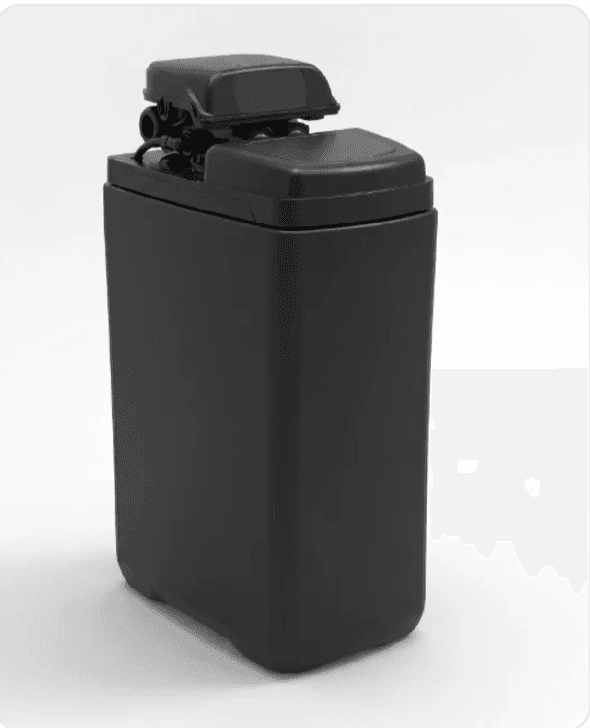
Compact, efficient softening for larger homes and small commercial sites: up to 3 m3 per hour with up-flow…
View product →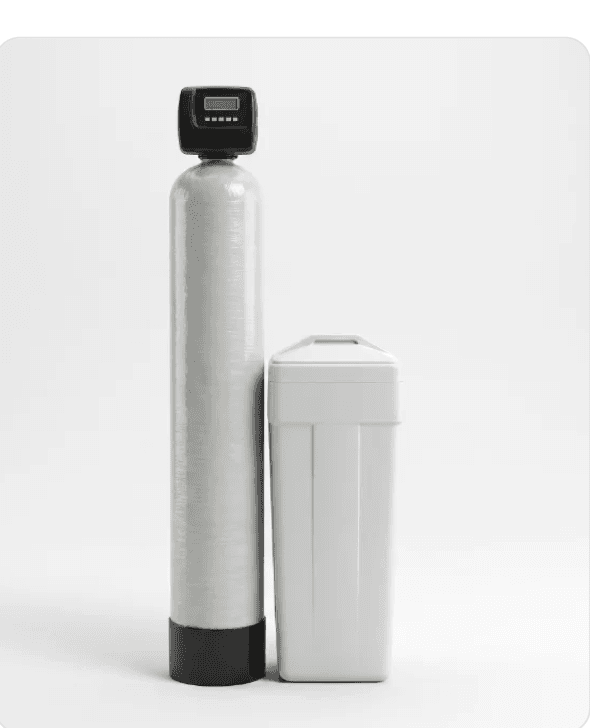
A high-capacity, floor-standing water softener built around a 10x54 pressure tank and a CE 1 inch control valve…
View product →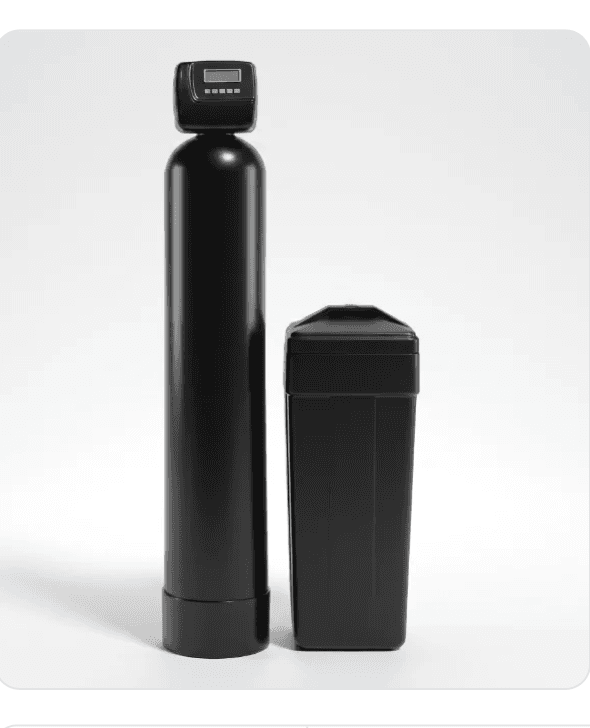
A ready-to-commission bi-block softener built around a 13 x 54 inch pressure tank and a pre-configured CE 1 inch…
View product →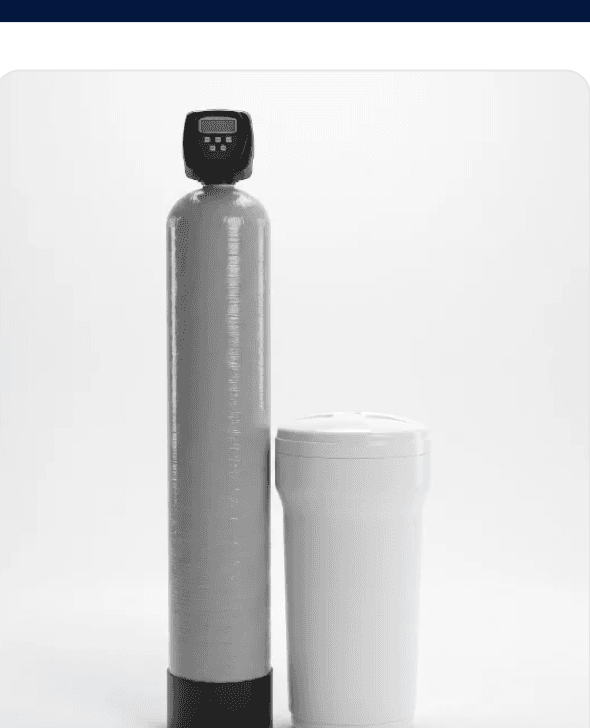
A high-capacity, professional-grade water softener for demanding residential, commercial and light-industrial use…
View product →