
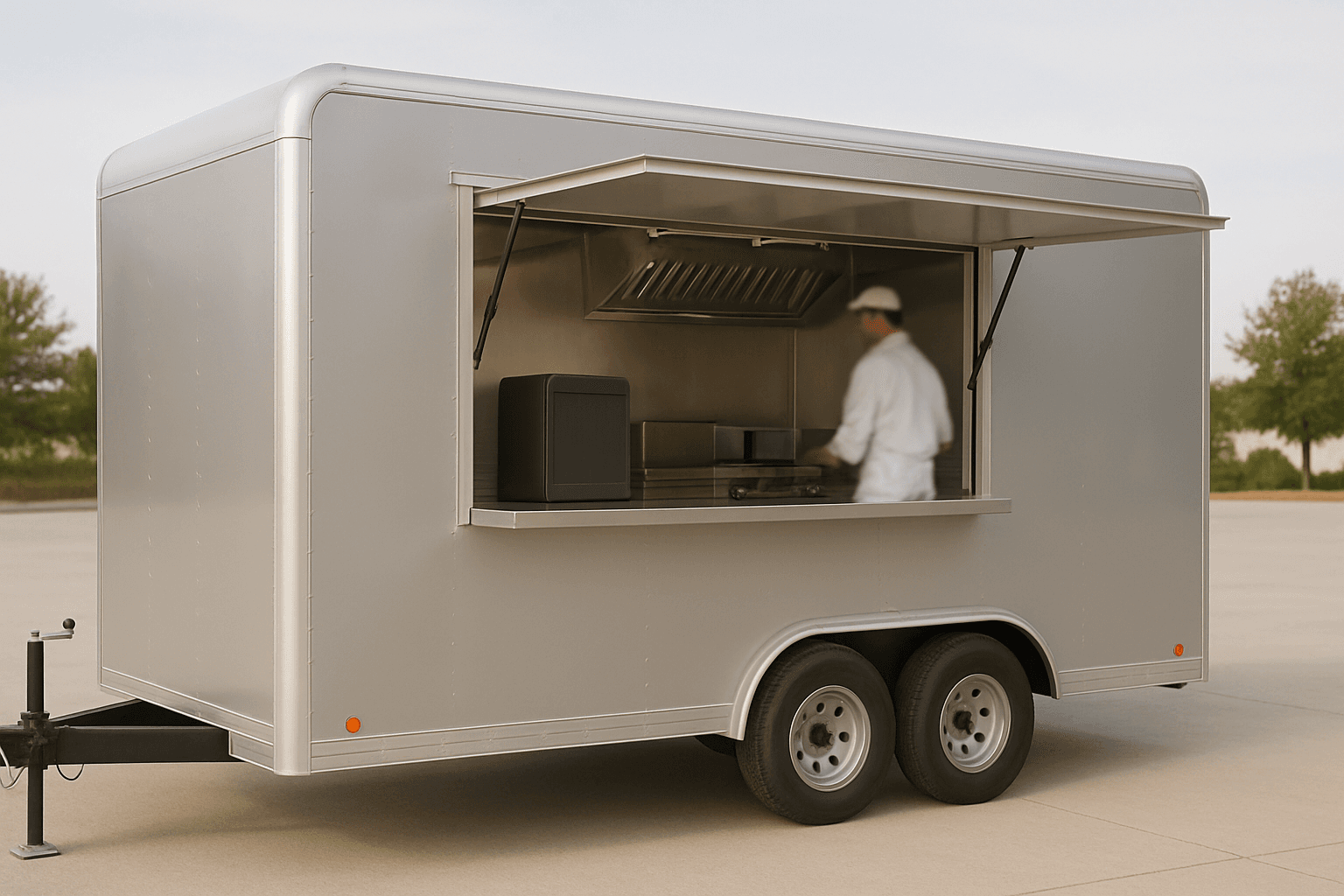
The booming pop-up restaurant scene across the UAE has changed how culinary concepts reach consumers, but the transient nature of these operations creates unique infrastructure challenges, particularly regarding consistent, high-quality water. From weekend food markets in Dubai’s City Walk to seasonal festival kitchens on Abu Dhabi’s Yas Island, pop-up restaurateurs face variable water sources that can affect food quality, equipment life and day-to-day running. This guide explores how the right water filtration can turn these challenges into an advantage while supporting the UAE’s environmental and health goals.
Table of Contents
- Overcoming Variable Water Quality in UAE Pop-Up Venues
- Portable Filtration Technologies for Temporary Food Operations
- Protecting Equipment Investments and Operational Continuity
- Enhancing Customer Experience Through Superior Water Quality
- Meeting Sustainability Goals and UAE Regulatory Requirements
Overcoming Variable Water Quality in UAE Pop-Up Venues
Pop-up restaurants across the UAE face a challenge that permanent establishments rarely meet: adapting to changing water quality as they move between locations. Most mains water in Dubai and Abu Dhabi is desalinated, while some inland areas such as Al Ain also draw on groundwater. Supply routes, storage tanks and building pipework all change what reaches the tap. For pop-ups moving between sites, these differences can make food and drink taste inconsistent, which directly affects customer satisfaction and brand reputation.
Temporary venues often add more variables. Festival sites and outdoor events may rely on temporary water connections, hoses and tanks, while urban markets and mall food courts connect to large building systems where Total Dissolved Solids (TDS) and chlorine levels can vary. Testing the water at each new site is the only reliable way to know what you are working with.
Pop-up set-up times are short, often just hours before service, which leaves little time for water testing and adjustment. Without filtration designed for rapid deployment, pop-ups risk poor product quality in their critical opening days. For concepts built on water, such as speciality coffee, fresh juice bars or premium tea service, inconsistent water can undermine the whole offer. That makes good filtration a basic business need for serious pop-up food businesses operating across the UAE.
Portable Filtration Technologies for Temporary Food Operations
Pop-up restaurants need filtration that combines performance with portability, a very different requirement from permanent foodservice installations. Compact filter systems sized to your daily water use strike the best balance between performance and cartridge changes, and your supplier can match cartridge capacity to your menu and event calendar.
Quick-connect fittings and flexible installation matter for operations that set up and break down several times a month. Systems with food-grade quick-connect fittings and heat-resistant tubing can be connected quickly without specialist plumbing tools, which counts when teams are working in the UAE’s summer heat. Many systems use multi-stage filtration, combining sediment, carbon and, where needed, reverse osmosis stages to deal with several water quality issues at once.
For operations moving between Emirates with different water profiles, modular cartridge systems offer real advantages. Operators can configure the filter media for each location, adding TDS reduction where mineral content is high and focusing on chlorine and chloramine removal for heavily treated supplies. Pricing depends on the system and cartridge capacity, and rental can reduce upfront spending for pop-ups on tight margins. Contact us for a quote matched to your set-up.
Compact under-counter and countertop systems suit coffee-focused pop-ups at weekend markets across Dubai Marina, the Abu Dhabi Corniche and Sharjah. Their small footprint makes them a good fit for food trucks, converted containers and other tight spaces that are common in the UAE’s pop-up dining scene.
Protecting Equipment Investments and Operational Continuity
For pop-up operators, equipment reliability can make or break a limited trading window, especially in the UAE’s demanding conditions. Unfiltered water threatens that reliability. Scale from hard water and corrosion from dissolved salts both shorten the life of coffee machines, boilers and ice makers.
Speciality coffee machines are a major investment, and repairs can be costly if they are run on untreated water. At temporary venues, getting an engineer out during trading hours is hard and expensive, and a single equipment failure during a busy weekend event can mean a significant loss of revenue with no chance to win it back.
Sediment and treatment chemicals add further risks. Sediment particles damage precision parts in modern equipment, while residual chlorine can degrade gaskets and seals over time, creating leak risks in temporary installations where water damage could affect neighbouring vendors or the venue. Filtration that combines pre-filtration, carbon treatment and, where needed, TDS reduction addresses all three risks together.
For pop-ups trading across several UAE locations, portable filtration pays back through longer equipment life, fewer emergency repairs and better energy efficiency. When you add the cost of lost trading time during short event windows, the business case becomes stronger still.
Enhancing Customer Experience Through Superior Water Quality
Water quality shapes how customers judge food and drink, which matters for pop-ups that rely on social media and word of mouth to draw people in during short trading windows. Off-tastes from chlorine or an unbalanced mineral content show up quickly in coffee, tea and fresh juices.
For speciality coffee pop-ups, a fast-growing segment in markets from Dubai’s La Mer to Abu Dhabi’s Saadiyat Island, water is one of the most important factors in flavour extraction. The Specialty Coffee Association water standard sets a target of 150 mg/L TDS (acceptable range 75 to 250 mg/L) and a calcium hardness target of 68 mg/L (acceptable range 17 to 85 mg/L). Without targeted filtration, changing water between sites means constant recipe adjustments, which puts consistency and brand reputation at risk in a market where coffee culture is increasingly sophisticated.
Beyond drinks, water affects many kitchen tasks, from dough hydration in artisan bread pop-ups to sauce reductions in high-end mobile kitchens. Chef-led pop-ups at venues such as Dubai’s Alserkal Avenue or Abu Dhabi’s Cultural District face high expectations on flavour. Filtered water with a balanced mineral content lets flavours develop cleanly without chemical notes.
Good filtration helps presentation too. Clear ice matters for premium juice bars and smoothie pop-ups, and dissolved solids and particles can make ice cloudy. Filtered water also reduces mineral spotting on glassware, cutting the need for hand polishing during busy service.
Meeting Sustainability Goals and UAE Regulatory Requirements
Pop-up restaurants face growing scrutiny of their environmental footprint, and water and waste management are a big part of that. The UAE Water Security Strategy 2036 aims to secure sustainable access to water and reduce total demand, and UAE authorities are also cutting single-use plastics. Point-of-use filtration lets pop-ups serve drinking water without single-use bottles and cuts the transport and disposal that bottled water involves.
For pop-ups targeting environmentally conscious diners, visible sustainability practices can set them apart in crowded markets such as Dubai’s City Walk or Abu Dhabi’s Yas Mall food courts.
Food businesses must also use safe, potable water for food preparation, and local health inspectors check temporary food operations as they do permanent ones. Check the current food safety requirements with Dubai Municipality or the relevant authority in your Emirate before you trade.
Filtration systems with documented performance specifications help show that the water used for food preparation meets potable water standards, and keeping filter change records makes inspections simpler.
Conclusion
For pop-up restaurants in the UAE, water filtration is far more than a technical detail. It directly affects product quality, equipment reliability and brand reputation. Portable, well-specified filtration lets pop-up operators serve consistent food and drink wherever they trade, while protecting their equipment, improving the customer experience and showing environmental responsibility. When a pop-up may have only days or weeks to build its reputation, that consistency is a real competitive edge.
To find out more, please contact the team at Sovereign Water using the phone number on our website, through our contact page, or by emailing sales@sovereignwater.ae.
Sources
- SCAA Standard: Water for Brewing Specialty Coffee (copy of the 2009 standard)
- The UAE Water Security Strategy 2036, u.ae